
Hearing is one of the most vital senses, connecting you to people, sounds, and the world around you. Whether you are aware of it or not, hearing plays a major role in communication, safety, emotional well‑being, and quality of life. Yet many people overlook hearing health until they notice symptoms like difficulty hearing conversations, ringing in the ears (tinnitus), or muffled sounds.
This blog provides complete and practical hearing health tips grounded in evidence and established health guidance. If you want to maintain good hearing, reduce your risk of hearing loss, and live a fuller life with clearer sound, read on.
Understanding Hearing and Hearing Loss
Before diving into actionable hearing health tips, it helps to understand how hearing works and what causes hearing loss.
- Hearing anatomy involves structures like the outer ear (pinna), ear canal, eardrum, ossicles (tiny bones), and the cochlea in the inner ear. These parts transmit and convert sound vibrations into electrical signals that the brain interprets. Damage to any part of this chain can impair hearing.
- Hearing loss may be gradual or sudden. Common causes include aging (presbycusis), prolonged exposure to loud noise, infections, trauma, buildup of earwax, and some medications.
- Types of hearing loss include sensorineural hearing loss (inner ear or nerve damage) and conductive hearing loss (blockage or middle ear issues). Some forms are treatable; others are permanent without medical intervention.
Understanding these basics helps you appreciate why protecting your hearing matters and how lifestyle habits influence your auditory health.
1. Protect Your Ears From Loud Noise
One of the most important hearing health tips is protecting your ears from excessive noise. Noise‑induced hearing loss is preventable but permanent once it occurs.
- Sounds above about 85 decibels (dB) can begin to damage hearing if exposure is prolonged. Examples include heavy traffic, motorcycles, concerts, fireworks, and loud machinery.
- This includes everyday hazards like loud headphones or earbuds. Following the 60/60 rule — listening at no more than 60% volume for no more than 60 minutes — can significantly reduce risk.
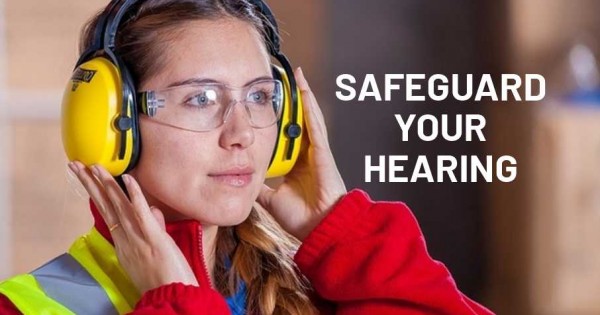
- If you cannot avoid a loud environment, use protective gear like earplugs, earmuffs, or noise‑canceling headphones. For high‑risk jobs or leisure activities (concerts, construction work), consider custom protective devices from a qualified hearing care professional.
2. Give Your Ears a Rest
Even moderate noise can have cumulative effects if your ears don’t get time to recover.
- Take quiet breaks throughout the day, especially if you spend time in noisy places. Resting in a quiet area for a few minutes helps your ear cells recover.
- For headphone use, periodically detach and let your ears be in silence for at least a few minutes between listening sessions.
3. Practice Safe Listening Habits
Listening carefully and safely is an important part of protecting hearing.
- At concerts or events, move away from speakers if you’re not wearing hearing protection.
- If you find yourself needing to raise your volume or shout to communicate in noisy places, the environment is likely too loud — and your hearing may already be at risk.
- Choose audio devices and appliances with lower noise output and use built‑in sound‑limit features where available.
4. Care for Your Ears Safely
Ear hygiene is an often misunderstood part of hearing health. Many harmful practices can damage the ear — especially the inner structures.
- The ear is self‑cleaning. According to the World Health Organization (WHO), you should only clean the outer ear with a soft cloth. Avoid inserting cotton buds, q‑tips, pins, or other objects into the ear canal as they can push wax deeper and injure the eardrum.
- Earwax (cerumen) serves an important protective function. It traps dust and foreign particles and helps guard the ear from infections. Removal should only be done when buildup causes symptoms and under professional guidance.
- If water gets trapped after swimming or showering, tilt your head and let it drain naturally. Persistent water in the ear can increase infection risk.
5. Monitor Medication and Ear Risk Factors
Some medications, medical treatments, or health habits can affect your hearing.
- Certain antibiotics, chemotherapy drugs, and high doses of common medicines like aspirin may contribute to hearing damage. Always consult your doctor about potential hearing risks with your prescriptions.
- Smoking and second‑hand smoke have been linked to increased hearing loss risk. Quit smoking and avoid smoke exposure to help protect your auditory system.
6. Maintain a Healthy Lifestyle
General health influences hearing health more than many people realize.
- A balanced diet rich in omega‑3 fatty acids, antioxidants, and vitamins supports blood circulation and cell function, which benefits the delicate structures of the ear.
- Regular exercise improves overall circulation, including to the ear, and helps maintain general health that supports hearing function.
- Manage chronic conditions like diabetes and high blood pressure — both can impact blood flow and hearing. Healthy living habits contribute to long‑term auditory health.
7. Schedule Regular Hearing Assessments
Just like dental or vision checkups, regular hearing tests are important — especially as you age or if you have frequent exposure to noise.
- Early detection of hearing changes allows intervention before significant damage occurs.
- If you notice symptoms like persistent ringing (tinnitus), difficulty following conversations, or holding the volume very high on devices, schedule a hearing evaluation with an audiologist.
- People who work in noisy environments, have a family history of hearing loss, or are over 50 should consider baseline screenings even without symptoms.
8. Act Promptly if You Notice Problems
Sudden hearing loss, pain, ringing, dizziness, or discharge are warning signs that require timely attention.
- Do not ignore symptoms like persistent tinnitus or sudden changes in hearing — they may indicate an underlying medical issue that needs prompt care.
- Professionals like audiologists or ENT (ear, nose, throat) specialists can diagnose and treat many conditions that affect hearing. Early intervention often results in better recovery and outcomes.
Wrapping Up: Hearing Is Worth Protecting
Good hearing health doesn’t happen by accident. It is the result of consistent habits, awareness, and proactive care. Following these hearing health tips will help you maintain your hearing clarity as you age, enjoy the sounds you love, and reduce your long‑term risk of permanent hearing loss.
While not all auditory problems are entirely preventable, many common causes — especially noise‑related damage — are avoidable with the right practices. By recognizing risks, protecting your ears, and seeking help when needed, you are investing in one of your most valuable senses.
Protecting your hearing is not just about avoiding silence; it’s about preserving connection, communication, and quality of life for years to come.