Author: Noise Multimedia Admin

  • Event Travel Guide: How to Plan, Pack, and Experience the Best Events Around the World

    Event Travel Guide: How to Plan, Pack, and Experience the Best Events Around the World

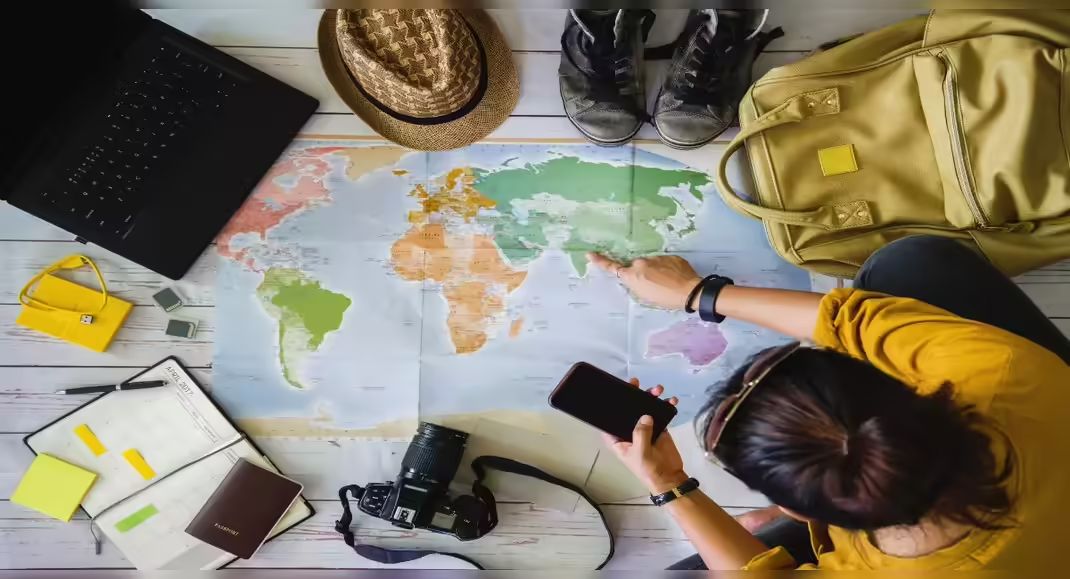
    Whether you are a seasoned globetrotter or planning your first major trip, attending events abroad is one of the most exciting ways to explore a destination. An event travel guide helps you combine celebration, culture, and discovery into a single unforgettable experience. In this guide, we’ll walk you through why event travel is growing, how to plan for events like music festivals, sporting events, cultural celebrations, and what to do once you arrive.


    What Is Event Travel?

    Event travel refers to planning a trip primarily around a specific event. These events may be cultural, musical, sporting, or seasonal. Some travelers start with the event itself — for example, booking tickets to concerts or festivals — and then build the travel itinerary around that date. Others choose a destination first and then find a local event to maximize their experience.

    Event travel has become an SEO‑rich topic because individuals want help answering common questions like:

    • What are the top events to attend each year?
    • When should I book tickets and travel?
    • How can I budget for event travel?
    • What local sights should be included in my itinerary?

    Why Travelers Love Event Travel

    Travel experiences are most memorable when they connect you with local culture. Events like the Carnival or the Oktoberfest offer unique celebrations that reflect a region’s history and traditions. Instead of just sightseeing, you become part of the experience.

    Here are a few reasons why event travel is so popular:

    1. Immersive Experiences

    Events bring locals and travelers together in shared celebration. Whether it’s the electrifying music at Coachella Valley Music and Arts Festival or the intense competition at Wimbledon Championships, these experiences are more than passive sightseeing.

    2. Predictable Planning Windows

    Most major events happen on fixed dates or seasons, making it easier to schedule time off, plan vacations, or take advantage of optimal weather conditions.

    3. Enhanced Local Engagement

    Attending local events gives travelers a chance to engage with artisans, food vendors, musicians, and performers — elements of local life that you wouldn’t experience otherwise.


    Top Events Around the World to Consider

    Here are some of the most sought‑after global events, ideal for travelers who want unforgettable trips:

    Music and Arts Events

    • Glastonbury Festival – One of the largest and most iconic music festivals in the world.
    • Tomorrowland – A leading electronic music festival known for its elaborate stages and community.
    • SXSW (South by Southwest) – A unique blend of music, film, and interactive media.

    Cultural Festivals

    • Diwali Festival – Celebrated nationwide with lights, fireworks, and festivities.
    • La Tomatina – A playful tomato‑throwing festival that draws crowds from around the world.
    • Harbin International Ice and Snow Sculpture Festival – One of the largest winter festivals globally.

    Sporting Spectacles

    • FIFA World Cup – The world’s most watched and celebrated soccer tournament.
    • Tour de France – A legendary cycling race covering hundreds of miles.
    • Super Bowl – The biggest single‑day sporting event in the U.S.

    Holiday and Seasonal Events

    • Mardi Gras – A vibrant carnival with parades, music, and street parties.
    • Cherry Blossom Festival – Celebrated across Japan as sakura reach peak bloom.

    These events span genres and interests, from music lovers to cultural adventurers and sports fans.


    How to Plan Your Event Travel

    Event travel planning requires extra attention. Here’s a step‑by‑step guide to get you started:

    Step 1: Choose Your Event and Destination

    Before anything else, decide which event you want to attend. This will largely determine:

    • The optimal travel dates
    • Estimated budget
    • Required reservations (tickets, hotels, tours)

    For instance, attending the Running of the Bulls requires booking months in advance due to high demand and limited accommodations.

    Step 2: Set a Realistic Budget

    Event travel can be expensive — especially when factoring in:

    • Event tickets
    • Flights or long‑distance travel
    • Lodging
    • Local transportation
    • Meals, tours, and souvenirs

    Top destinations often have peak pricing during major events. Use tools like airfare trackers or hotel price alerts to find the best deals.

    Step 3: Book Transportation and Lodging Early

    Major events inflate demand for flights and hotels, which often sell out months before the event. To save money:

    • Use flexible date search tools for flights
    • Consider alternative lodging (guesthouses, hostels, vacation rentals)
    • Book refundable or change‑friendly options if possible

    Step 4: Research Local Culture and Logistics

    Knowing local customs, languages, and transportation options can greatly improve your trip. For example:

    • In Tokyo, trains are the most efficient way to get around during events like Sumo Wrestling Tournaments.
    • In Rio de Janeiro, the Carnival involves multiple neighborhoods and parades, so planning routes ahead of time is essential.

    Packing Tips for Event Travelers

    What you pack can make or break your experience. Consider these event travel packing tips:

    Essentials

    • Comfortable walking shoes
    • Weather‑appropriate clothing (layers for festivals that go late into the evening)
    • Event tickets and confirmations (digital and printed)
    • Portable chargers and extra batteries
    • Reusable water bottle

    Event‑Specific Items

    Some events require unique gear:

    • Ear protection for loud concerts
    • Sunscreen and hats for outdoor events
    • Rain gear for unpredictable weather

    Always check official event websites for prohibited items to avoid problems at entry.


    Safety and Health Considerations

    Safety should be a top priority on any trip. Follow these best practices:

    • Register with your country’s travel advisory service if available
    • Keep digital and physical copies of important documents
    • Stay hydrated (especially at outdoor festivals)
    • Learn emergency local numbers before arriving

    If traveling internationally, check vaccination requirements and travel advisories for your destination.


    Top Destinations Beyond the Event

    While the event may be the centerpiece of your trip, don’t miss out on local attractions. For example:

    • In Barcelona, after attending festivals like the Festa Major de Gràcia, visitors can explore Sagrada Família or Park Güell.
    • In Paris, travelers attending Roland‑Garros tennis can also enjoy Eiffel Tower or Louvre Museum.

    Including sightseeing in your itinerary gives your trip depth and makes your travel investment more worthwhile.


    Conclusion: Make Your Event Trip Unforgettable

    Event travel brings culture, excitement, and global connection into your journey. By planning ahead, creating a realistic budget, and embracing local culture, you can make the most of your event travel experience. Whether you’re attending Burning Man or celebrating Carnival, each event adds its own special flavor to your travel story.

    When done right, event travel isn’t just about attending something spectacular — it’s about growing, exploring, and discovering the world in ways most travelers never will.
  • Complete Guide to Audio Editing Software: Features, Benefits & Top Tools

    Complete Guide to Audio Editing Software: Features, Benefits & Top Tools

    Audio editing software plays a crucial role in modern digital content production. Whether you are creating podcasts, music tracks, voice‑overs, audiobooks, videos, or sound effects for multimedia projects, the right software can make all the difference in the quality and professionalism of your work. In this guide, we’ll explain what audio editing software is, why it’s essential, key features to look for, and the best tools available today.


    What is Audio Editing Software?

    Audio editing software refers to computer applications that allow users to manipulate and process audio data. At its core, this type of software lets you import audio files, edit them, enhance sound quality, apply effects, adjust levels, and export the final product in various formats.

    Unlike basic recorders or simple voice‑memos, audio editing tools offer advanced capabilities such as multi‑track mixing, spectral analysis, noise reduction, and mastering features. Some are simple and beginner‑friendly, while others are professional‑grade Digital Audio Workstations (DAWs), providing powerful workflows for music production, film post‑production, and broadcast sound design.


    Why Audio Editing Software is Essential

    High‑quality audio is a non‑negotiable standard in today’s content landscape. Even visually engaging content can fail to retain audience attention if the sound is poor, inconsistent, or unbalanced. Good audio editing software ensures:

    1. Clarity and Precision – It helps remove unwanted noise, stabilize volume levels, and ensure your audio sounds clean and professional.
    2. Creative Control – With advanced tools and effects, editors can sculpt sound to fit the emotional tone, pacing, and context of the content.
    3. Multimedia Integration – In video production, games, and interactive media, synchronized and well‑mixed audio enhances viewer engagement and immersion.
    4. Consistency Across Platforms – Whether you’re distributing on Spotify, YouTube, or broadcast radio, audio editing software helps you meet the different format requirements and loudness standards.
    5. Professional Output for Brand Credibility – For businesses, studios, and content creators, high‑quality audio signals professionalism and boosts audience trust.

    Key Features to Look For

    When choosing the right audio editing software, understanding the essential features will help you decide which tool matches your needs.

    1. Multi‑Track Editing

    Most advanced tools support multi‑track editing, enabling you to work with multiple audio layers simultaneously. This is especially useful in music production, podcasting, and film post‑production.

    2. Effects and Filters

    Look for tools that include a range of audio effects like reverb, compression, equalization (EQ), noise reduction, and more. These effects help you shape the sound creatively and technically.

    3. Noise Reduction and Restoration

    For spoken‑word content, removing background noise, hums, clicks, and hisses is critical. Many modern audio editors include powerful restoration tools.

    4. Visual Audio Displays

    Waveform views, spectral displays, and frequency analysis tools help editors visualize audio data, making precise edits easier.

    5. Plugin Support

    Many audio applications support third‑party plugin formats like VST (Virtual Studio Technology) or AU (Audio Units), expanding your effects and toolset.

    6. File Format Compatibility

    A versatile editor should support popular audio formats like MP3, WAV, FLAC, AAC, and others. Broad format support ensures compatibility with various media platforms.


    Top Audio Editing Software Tools (2026)

    Below are some of the best audio editing software options available today, ranging from beginner‑friendly tools to professional workhorses.


    1. Audacity

    Audacity is one of the most recognized free and open‑source audio editors. Ideal for beginners and hobbyists, Audacity offers essential editing features like multi‑track support, noise removal, effects, and a wide range of file format compatibility. Because it’s open‑source, users benefit from community support and a library of free plugins.

    Strengths:

    • Completely free and cross‑platform (Windows, macOS, Linux)
    • Good suite of built‑in effects and tools
    • Strong community support and tutorials

    Limitations:

    • User interface is functional but less polished compared to commercial software

    2. Adobe Audition

    Adobe Audition is a high‑end professional DAW (Digital Audio Workstation) that excels in multi‑track recording, advanced noise reduction, and complex audio restoration tools. It integrates seamlessly with other Adobe Creative Cloud apps, which makes it a strong choice for video editors and multimedia producers who already use Adobe’s ecosystem.

    Strengths:

    • Industry‑standard features and advanced editing tools
    • Great for detailed post‑production work
    • Excellent noise reduction and spectral editing capabilities

    Limitations:

    • Subscription‑based pricing may be expensive for casual users

    3. Sound Forge

    Sound Forge is a long‑established digital audio editor aimed at professional and semi‑professional markets. It offers high‑quality recording, mastering and processing tools ideal for detailed audio workflows.

    Strengths:

    • Powerful waveform editing and mastering tools
    • Good for both music and spoken audio editing

    Limitations:

    • May be more complex than needed for casual users

    4. WavePad Audio Editor

    WavePad Audio Editor is a versatile audio editor that works on multiple platforms, including Windows, macOS, Android, and iOS. It offers a range of editing functions like cut, copy, paste, audio effects, and compatibility with third‑party VST plugins.

    Strengths:

    • Multi‑platform support
    • Easy to use for beginners and intermediate editors

    Limitations:

    • Some advanced features may require paid licenses

    5. Tracktion Waveform

    Tracktion Waveform (formerly known as Tracktion) is a modern DAW that provides both free and paid versions. Waveform offers tools for recording, editing, and MIDI integration, making it a flexible choice for music producers and creators looking for a streamlined audio workspace.

    Strengths:

    • Freemium model lets users try standard features for free
    • Suitable for music production and general audio editing

    Limitations:

    • Advanced features require upgrade to the Pro version

    Choosing the Right Audio Editing Software

    Making the best choice depends on your workflow, skill level, and budget:

    • Beginners and Casual Creators: Tools like Audacity and WavePad provide core editing features without overwhelming complexity.
    • Intermediate Users: Software that supports plugins and multi‑track workflows empowers more creative control.
    • Professional Producers and Studios: Advanced DAWs such as Adobe Audition or Sound Forge deliver industry‑grade precision, advanced restoration tools, and robust mixing capabilities.

    Understanding your specific audio needs — whether it’s podcast editing, music production, or post‑production for film and video — will help you pick a tool with the right balance of power, usability, and price.


    Conclusion

    Audio editing software is an indispensable part of modern content creation. It enables users to produce professional‑quality sound, enhance listener engagement, and maintain high standards across digital platforms. From free, open‑source tools like Audacity to powerful professional suites like Adobe Audition, there’s a wide range of options available to meet different needs and skill levels. By understanding key features and comparing leading tools, you can make an informed decision that supports your creative goals and elevates your audio production quality.

  • Creator Lifestyle Trends: How Content Makers Are Shaping the Digital Age

    Creator Lifestyle Trends: How Content Makers Are Shaping the Digital Age

    In the past decade, the creator lifestyle has evolved from a niche hobby into a powerful cultural force. Today’s creators are defining new norms in how we work, connect, and earn. Whether you’re an aspiring content producer or a seasoned creator, understanding the latest creator lifestyle trends is essential for staying ahead in a competitive digital landscape.

    In this blog post, we explore the most influential patterns shaping creators’ lives, from platform preferences to work‑life balance, monetization pathways, community building, and personal branding.


    What Is the Creator Lifestyle?

    The creator lifestyle refers to the way digital creators organize their work routines, creative processes, revenue strategies, and personal branding efforts. Unlike traditional 9‑to‑5 jobs, creators often juggle multiple digital platforms, tools, and revenue streams while maintaining an authentic personal identity that resonates with audiences.

    This lifestyle is driven by passion, creativity, and entrepreneurship. It blends elements of self‑direction, public engagement, and digital innovation, establishing creators as influential voices across global audiences.


    Why Creator Lifestyle Trends Matter

    The rise of creators has significant cultural and economic implications. Individuals once limited to traditional job roles can now build global followings and sustainable incomes through digital content. Brands, marketers, and consumers alike pay attention to creator behavior, as creators often shape cultural tastes, technology adoption, and purchasing trends.

    Understanding the latest creator trends helps:

    • Brands identify effective partnership strategies
    • Creators optimize audience engagement and monetization
    • Marketers predict where attention and influence are migrating

    Top Creator Platforms Driving Lifestyle Shifts

    1. TikTok

    TikTok continues to redefine short‑form content. With its algorithmic feed and viral discovery mechanisms, creators on TikTok are able to reach millions without needing large initial followings.

    Creators emphasize authentic, relatable content over polished production, which fuels rapid trend cycles and community participation. TikTok’s influence has fundamentally changed how creators approach creativity — prioritizing experimentation, trend responsiveness, and consistent output.

    2. YouTube

    YouTube remains central to long‑form content creation. From tutorials to documentaries, creators leverage YouTube for deeper audience engagement, brand partnerships, and stable monetization through ad revenue.

    The rise of YouTube Shorts shows that YouTube is adapting to short‑form trends while continuing to support traditional content formats.

    3. Instagram

    With Reels, Stories, and curated grid aesthetics, Instagram has become a hub for aspirational lifestyle content. Influencers and creators use Instagram to showcase their personal lives, brand collaborations, and behind‑the‑scenes content, further blurring lines between marketing and everyday living.

    4. Facebook and X

    Longer‑form community groups on Facebook and real‑time conversational threads on X complement the more visual platforms. Many creators build cross‑platform presence to diversify their reach and engagement.

    5. Twitch and Discord

    Live streaming and community chat tools have become essential. Twitch allows creators to interact with audiences in real time, while Discord provides dedicated spaces for community interaction outside of algorithmic feeds.


    Emerging Trends in the Creator Lifestyle

    Trend 1: The Rise of Creator Entrepreneurship

    Being a creator is increasingly synonymous with entrepreneurship. Rather than producing content in isolation, creators are building business ecosystems around their personal brands.

    Creators now launch:

    • Digital products (eBooks, presets, templates)
    • Subscription services
    • Courses and workshops
    • Merchandise lines

    Platforms like Patreon and Substack help creators monetize directly through audience subscriptions, moving beyond ad revenue. This trend signals a shift toward creator ownership of audience relationships, bypassing traditional gatekeepers.


    Trend 2: Hybrid Work and Digital Nomadism

    Many creators embrace remote work and digital nomad lifestyles. They often travel while producing content, blending work with exploration. This trend is facilitated by tools like:

    • Notion for planning
    • Asana for workflow
    • Cloud‑based editing tools such as Adobe Premiere Pro and Canva

    These tools allow creators to work from anywhere, reinforcing the lifestyle ideal of independence and flexibility.


    Trend 3: Prioritizing Mental Health and Sustainability

    With content creation often demanding constant output, burnout has become a common challenge. Today’s creators openly discuss mental health, digital boundaries, and work‑life harmony.

    Key practices include:

    • Setting consistent schedules
    • Taking creative breaks
    • Delegating tasks to collaborators or assistants
    • Using automation tools to reduce repetitive work

    This trend reflects a growing understanding that sustainable creativity requires balance, rest, and intentional boundaries.


    How Creators Build Personal Brands

    Personal branding is central to the creator lifestyle. A strong brand differentiates creators in crowded spaces and builds trust with audiences.

    Successful personal branding strategies include:

    Authentic Storytelling

    Creators share genuine experiences, struggles, and growth journeys. This transparency builds emotional connections that scripted advertising can’t replicate.

    Consistent Visual Identity

    Creators use consistent aesthetics, color palettes, and editing styles across platforms. Tools like Canva support this by enabling reusable design templates.

    Interactive Engagement

    Creators invite audiences to participate in content through polls, challenges, Q&A sessions, and live streams. Engagement fosters loyalty and keeps communities active.


    Monetization Paths for Today’s Creators

    As the creator lifestyle evolves, so do the ways creators earn. Monetization is no longer limited to ads or sponsorships.

    Primary income streams include:

    • Sponsored content deals, negotiated directly with brands or through networks
    • Affiliate marketing, where creators earn commissions on product referrals
    • Subscription models on platforms like Patreon
    • Direct sales of digital products and online courses
    • Livestream tipping and virtual gifts
    • Licensing content to brands or media platforms

    Creators often combine multiple revenue sources to diversify income and reduce dependency on any single platform.


    The Future of Creator Lifestyle Trends

    The creator economy continues to grow, driven by younger audiences and digital innovation. Several key developments are emerging:

    • AI‑enhanced creation tools are accelerating content production
    • Web3 and NFTs offer new ways to own and monetize digital assets
    • Augmented reality (AR) expands interactive storytelling
    • Community‑owned platforms enable decentralized monetization

    As the landscape evolves, creators who adapt to new technologies and prioritize community engagement will continue to thrive.


    Final Thoughts

    Creator lifestyle trends are not just changing how content is made — they are redefining work, community, and influence in the digital age. From platform innovation to monetization models and personal identity building, creators are shaping a future where creativity and entrepreneurship coexist.

    To succeed, creators must stay adaptable, audience‑focused, and mindful of both their well‑being and long‑term sustainability. Whether you are just starting your creator journey or looking to elevate your existing presence, understanding these trends will help you navigate and thrive in this dynamic ecosystem.

  • Copyright Law Basics: Everything You Need to Know

    Copyright Law Basics: Everything You Need to Know

    Introduction to Copyright Law

    Copyright law is a foundational part of intellectual property law. It exists to protect the rights of creators over their original works while balancing the interests of the public in accessing and using those works. At its core, copyright grants exclusive legal rights to creators so that they can control and benefit from how their works are used, reproduced, and distributed. These protections are crucial in promoting creativity, innovation, and cultural development around the world.

    Whether you are creating content for a blog, producing music, filming videos, or developing software, understanding the basics of copyright law is essential for protecting your creative output and avoiding legal issues.


    What Is Copyright?

    The term copyright refers to a legal right granted to the creator of an original work. It gives the creator a set of exclusive rights to use and exploit their work, and to authorize or prevent others from using it without permission.Copyright protects only the expression of ideas—such as words, designs, or music—not the underlying ideas, concepts, or facts themselves.

    Copyright protection typically arises automatically as soon as a work is created and fixed in a tangible form. This means that your work—from a written article saved to your computer to a photograph printed on paper—is protected by copyright the moment it exists in a physical or digital medium, even without registration in most jurisdictions.


    Types of Works Protected by Copyright

    A broad range of creative works is eligible for copyright protection. According to leading intellectual property authorities, protected works include but are not limited to:

    • Literary works – books, articles, blog posts, poems
    • Musical works – compositions and recordings
    • Dramatic works – plays and screenplays
    • Artistic works – drawings, paintings, photographs
    • Audiovisual works – films and videos
    • Computer programs and software
    • Architectural designs and technical drawings
    • Databases and multimedia compilations

    It’s important to note that copyright protection does not extend to ideas, procedures, processes, systems, or methods of operation. Only the specific form in which those ideas are expressed is protected.


    Exclusive Rights Granted to Copyright Holders

    When someone owns a copyright, they receive a bundle of legal rights. These rights give the owner control over how the work is used and help ensure they can benefit financially from it. The most common exclusive rights include:

    1. Reproduction rights – the right to make copies of the work
    2. Distribution rights – the right to sell, rent, or transfer copies
    3. Public performance rights – the right to perform or display the work publicly
    4. Adaptation rights – the right to create derivative works (such as translations or adaptations)
    5. Public display rights – the right to display the work in public settings

    These rights can be licensed or transferred to others through contracts, allowing creators to earn income while retaining legal protection.


    Copyright Term and Duration

    How long copyright protection lasts depends on the country and the laws that apply. In many countries—including those adhering to common international standards—copyright protection lasts for the life of the author plus an additional number of years (often 50 or 70 years). For corporate or anonymous works, the term may be defined differently, such as a fixed number of years from publication or creation.

    Different types of works and jurisdictions have varied rules, so it is important to consult local law or a legal expert when determining the exact duration of copyright protection for your work.


    Copyright Registration: Is It Necessary?

    In many countries, including the United States, copyright protection is automatic at the moment a work is fixed in tangible form. However, registration with the U.S. Copyright Office or a similar government agency in other countries can provide additional legal benefits. These benefits may include:

    • A public record of ownership
    • Eligibility to seek statutory damages and attorney’s fees in infringement cases
    • Stronger legal evidence in disputes over ownership

    While not required for protection, registration is recommended if you intend to enforce your rights or pursue legal action against infringers.


    Exceptions and Limitations: Fair Use and Fair Dealing

    Every copyright system includes exceptions and limitations that allow for some uses of copyrighted works without permission. One of the most well‑known of these is fair use (in the United States), which allows limited use of copyrighted material for purposes such as criticism, commentary, news reporting, education, and research.

    Factors typically considered in fair use analysis include:

    • The purpose and character of the use
    • The nature of the copyrighted work
    • The amount of work used
    • The effect on the market for the original work

    Other countries use similar doctrines such as fair dealing, which serves a parallel function under different legal criteria. Understanding these exceptions is essential for legally using copyrighted content you did not create.


    Copyright Infringement and Enforcement

    Copyright infringement occurs when someone violates one or more of the exclusive rights of a copyright holder without permission or a valid legal exception. Common examples include copying text without permission, distributing copyrighted films or music without authorization, or creating unlicensed derivative works.

    Rightsholders can take legal action to enforce their rights, seeking remedies such as injunctions, monetary damages, and in some cases statutory penalties. Enforcement mechanisms vary by jurisdiction, and legal processes can be complex, so consultation with a legal professional is often necessary when dealing with infringement disputes.


    International Copyright Law and Treaties

    There is no single global copyright law that applies uniformly in all countries. Instead, national copyright laws are shaped by international treaties that promote mutual recognition of rights across borders. Key treaties include the Berne Convention for the Protection of Literary and Artistic Works and other international agreements that help standardize minimum protections.

    These treaties ensure that creators receive copyright protection in member countries even if the work was first published elsewhere. However, enforcement and specific rights still depend on local law.


    Practical Tips for Creators and Website Owners

    If you publish content online or create original works, keep these best practices in mind:

    • Always assume that creative works—text, images, videos, music—are protected by copyright unless clearly stated otherwise.
    • Seek permission before using third‑party works, or ensure your usage qualifies under fair use or similar exceptions.
    • Use copyright notices and licensing terms (such as Creative Commons licenses) to clarify how others may use your content.
    • Consider registering your original works to strengthen legal protection.

    Conclusion

    Understanding copyright law basics is vital for creators, entrepreneurs, and anyone involved in producing or using creative content. Copyright not only protects your rights but also incentivizes innovation and supports a vibrant cultural ecosystem. From knowing what qualifies for protection to understanding exclusive rights and exceptions like fair use, mastering these fundamentals will help you navigate the legal landscape with confidence.

    Whether you are drafting a copyright policy for your blog or planning to register your work with the appropriate copyright office, this foundational knowledge serves as a roadmap for respecting legal rights and using creative works responsibly.

  • Ultimate Studio Setup Ideas for Professionals and Creators

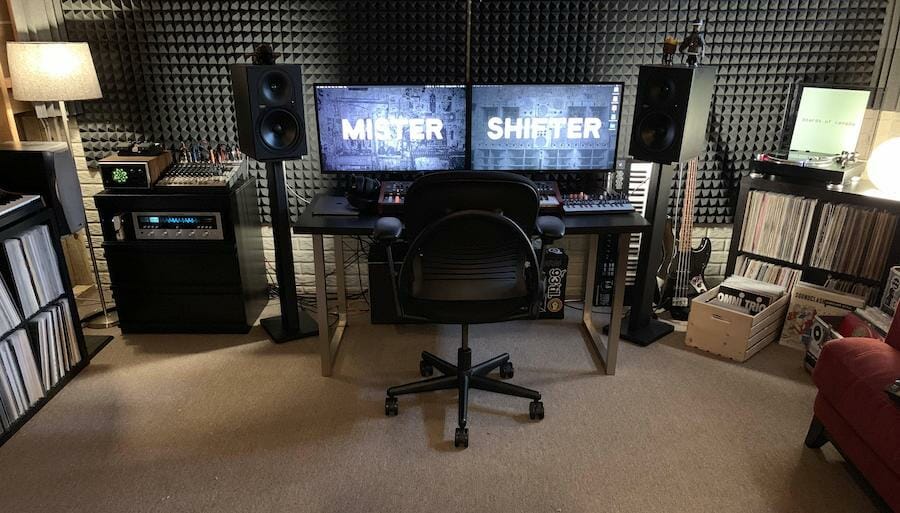
    Ultimate Studio Setup Ideas for Professionals and Creators

    Creating the perfect studio setup is a goal shared by photographers, videographers, podcasters, musicians, and content creators around the world. Whether you are launching your first studio or upgrading an existing one, the right setup can boost productivity, enhance creativity, and elevate the quality of your work.

    In this guide, we will explore essential studio setup ideas, covering everything from space planning and ergonomics to gear recommendations from leading brands like Sony, Canon, Shure, Rode, AKG, and more. We will also dive into lighting, acoustics, cable management, and aesthetic considerations.

    1. Defining Your Studio Purpose

    Before purchasing equipment or redesigning your space, ask yourself: What type of content will you produce? A photography studio setup has different requirements from a music production studio setup or a YouTube content creator setup.

    Some common studio types include:

    • Photography studios for portraits, products, and fashion
    • Video production studios for YouTube, streaming, and corporate videos
    • Home music studios for recording, mixing, and mastering
    • Podcasting spaces for audio recording and interviews
    • Live streaming rooms optimized for platforms like Twitch and YouTube Live

    Clarifying your purpose will guide your decisions about space layout, gear selection, and budget.

    2. Choosing the Ideal Space

    Your studio’s physical space affects the final output quality. Consider the following aspects:

    Room Dimensions and Shape

    Larger rooms provide more flexibility for lighting and movement, while smaller rooms require strategic layout planning to avoid clutter. Rectangular rooms often offer better acoustic treatment options than square rooms.

    Natural Light Availability

    Natural light is ideal for photography and video. If your space has windows, consider using adjustable blinds or curtains to control light intensity.

    Electrical Outlets and Power

    Ensure your studio has sufficient electrical outlets and power stability to support lights, computers, monitors, audio interfaces, and other peripherals.

    Noise Control

    Choose a location with minimal outside noise. For audio work, noise reduction can make a significant difference in clarity and quality.

    3. Ergonomic and Functional Layout

    A smart layout increases workflow efficiency and reduces fatigue. Here are several layout tips:

    Zone Your Studio

    Divide your studio into functional areas:

    • Recording/Performance Zone
    • Editing/Workstation Zone
    • Storage and Gear Zone
    • Relaxation/Creative Thinking Zone

    Desk and Chair Setup

    Invest in an ergonomic chair and a stable desk. Creators who spend hours editing need comfort. Brands like Herman Miller and Steelcase are renowned for ergonomic office furniture.

    Cable Management

    Use cable organizers, Velcro ties, and labeled channels to avoid tangled wires. A tidy studio not only looks professional but also prevents technical issues.

    4. Essential Gear for an All‑Purpose Studio Setup

    Your gear selection depends on your content type. Below are recommended categories and examples for a versatile studio.

    Cameras for Photography and Video

    Quality cameras are fundamental for both photography and video production.

    • Sony Alpha a7 IV – Excellent for high‑resolution photography and video
    • Canon EOS R6 – Great dynamic range for photos and videos
    • Panasonic Lumix GH6 – Perfect for video‑centric setups

    When selecting a camera, consider whether you need interchangeable lenses, sensor size, and video resolution.

    Microphones for Audio and Voice

    Clear audio is essential for podcasts, music, and video narration.

    • Shure SM7B – Industry standard for podcasting and broadcast quality audio
    • Rode NT1‑A – Excellent condenser mic for vocals and instruments
    • AKG C414 – Versatile studio mic for multiple recording scenarios

    Pair your microphone with a pop filter, shock mount, and mic arm to optimize audio clarity.

    Audio Interfaces and Headphones

    An audio interface bridges your microphones and computer and improves signal quality.

    • Focusrite Scarlett 2i2 – Popular choice for home studios
    • Universal Audio Apollo Twin – High‑end interface with built‑in DSP
    • Audio‑Technica ATH‑M50x – Trusted headphones for monitoring

    Studio Monitors and Speakers

    For accurate sound mixing, invest in studio monitors instead of consumer speakers.

    • Yamaha HS8 – Flat frequency response for mixing
    • KRK Rokit 5 G4 – Popular choice for project studios

    Lighting for Video and Photography

    Proper lighting dramatically elevates visual quality.

    • Godox SL60W – Affordable continuous LED light
    • Aputure Light Storm 120d II – Professional LED lighting
    • Neewer 18-inch Ring Light – Ideal for vloggers and beauty creators

    Consider using softboxes and diffusers to create flattering light and avoid harsh shadows.

    5. Acoustic Treatment and Soundproofing

    If your studio involves audio, acoustics are crucial.

    Acoustic Panels

    Install acoustic foam panels or fabric‑wrapped panels on walls to reduce reflections and reverb.

    Bass Traps

    Corner traps help manage low‑frequency buildup, improving sound clarity.

    Diffusers

    Use diffusers to evenly distribute sound and avoid dead spots.

    Soundproofing

    For noisy environments, add soundproof curtains, door seals, and insulation to limit external noise.

    6. Backgrounds and Backdrops

    Visual creators need a variety of backgrounds to suit different styles.

    Seamless Paper Backdrops

    Available in colors like white, black, gray, and custom hues. Brands like Savage Universal offer durable options.

    Fabric and Collapsible Backgrounds

    Ideal for video creators who need portable solutions.

    Green Screens

    For advanced video editing and virtual backgrounds, invest in a good green screen kit.

    7. Workflow and Editing Setup

    Your editing station should be optimized for long hours and efficiency.

    Computers and Workstations

    Choose a computer or laptop with strong performance.

    • Apple Mac Studio – Powerful option for editing, music, and graphics
    • Dell XPS 15 – Balanced choice for photo and video editing

    Editing Software

    Select industry‑standard software for your content type.

    • Adobe Premiere Pro – Leading video editing tool
    • Final Cut Pro – Mac‑exclusive editing software
    • Adobe Audition or Avid Pro Tools – For audio editing and mixing
    • Adobe Photoshop and Lightroom – Essential for photo editing

    Dual Monitors or Ultrawide Displays

    Extra screen space improves editing efficiency and workflow.

    8. Creative Enhancements and Personal Touches

    Your studio should reflect your brand and personality. Consider:

    Wall Art and Branding

    Display artwork or brand logos to create an inspiring environment.

    Plants and Decor

    Add plants and decor items to make the space welcoming and comfortable.

    Comfort and Amenities

    Include a lounge area, coffee station, and snacks for long sessions and collaborating guests.

    9. Budget Considerations and Prioritization

    Studio setups can range from affordable to professional‑grade. Here’s how to budget effectively:

    Start With Essentials

    Focus on:

    • Reliable camera and lenses
    • Quality microphone and audio interface
    • Proper lighting
    • Comfortable editing setup

    Upgrade Over Time

    Add acoustic treatment, specialized lenses, and advanced accessories as needed.

    Buy Used Gear

    You can save money by purchasing high‑quality used gear from trusted sources. Always inspect condition and warranty.

    10. Safety and Maintenance Tips

    Maintaining your studio ensures longevity and reliability:

    • Keep equipment clean and covered when not in use.
    • Label and organize cables and storage cases.
    • Update software regularly for security and performance.
    • Test backup systems and storage devices to prevent data loss.

    Conclusion

    Designing the perfect studio setup involves planning, research, and thoughtful investment. Whether you are a podcaster, photographer, videographer, or music producer, a well‑organized studio enhances your creative workflow and produces professional results.

    With the right gear, ergonomic layout, and attention to acoustics and lighting, your studio can become both an efficient workspace and a creative sanctuary. Use this guide to build a setup that matches your goals, supports your craft, and evolves with your growing needs.

  • Music Festival Fashion: The Ultimate Guide to Style, Trends, and Expression

    Music Festival Fashion: The Ultimate Guide to Style, Trends, and Expression

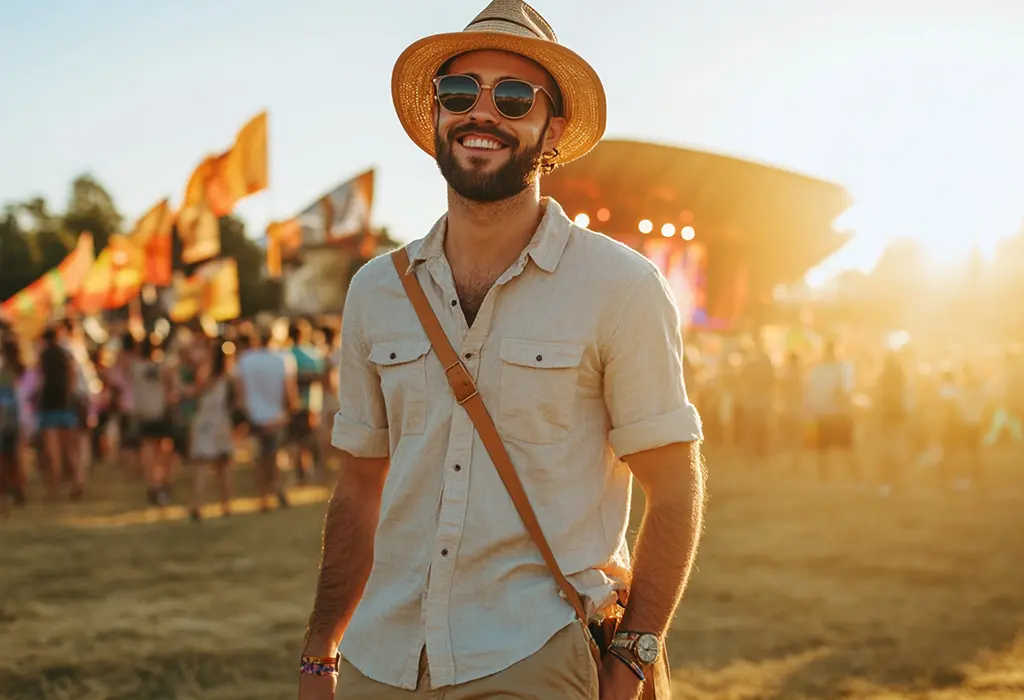
    When it comes to music festival fashion, the experience extends far beyond the soundstage. Festival style has become a powerful form of self‑expression that reflects individual identity, cultural influences, seasonal trends, and event vibes. Whether you are headed to Coachella Valley Music and Arts Festival, Glastonbury Festival, Burning Man or a local indie lineup, how you dress says as much about you as the music you love.

    Let’s dive into the world of festival fashion — why it matters, how to nail your look, trend predictions, sustainability considerations, and how to shop smart for your next big adventure.

    What is Music Festival Fashion?

    Music festival fashion is more than trendy outfits. It’s a hybrid of practicality, creativity, cultural influence, and bold expression. Unlike everyday streetwear, festival looks are designed for long days outdoors, unpredictable weather, and capturing attention both in person and online.

    Festival fashion often includes statement pieces like embellished accessories, eclectic layering, and bold use of color, texture, and footwear that reflects the spirit of community and celebration.

    Why Festival Fashion Matters

    People often wonder: Why is festival fashion such a big deal? The answer lies in how music culture intersects with fashion culture. Major festivals like Lollapalooza and Tomorrowland serve as platforms where music, art, and style converge. Social media has amplified this connection, turning festival style into ongoing trend cycles.

    Festival fashion matters because:

    • It amplifies personal identity and storytelling.
    • It enhances the festival experience through comfort and self‑confidence.
    • It influences mainstream fashion lines and designer collections.
    • It drives visual content for platforms like Instagram, Pinterest, and TikTok.

    Optimizing your festival wardrobe means balancing functionality with creativity — because comfort is just as important as aesthetics.

    Festival Fashion Essentials by Event

    Different festivals have different vibes, and your outfit should match the energy. Style expectations vary with climate, audience, and cultural context.

    Coachella Style Staples

    At Coachella Valley Music and Arts Festival, fashion tends toward bohemian and chic minimalism. Popular features include:

    • Light, breathable fabrics (linen sets, crochet tops, flowy skirts).
    • Earthy tones mixed with pops of color.
    • Layered jewelry: necklaces, body chains, wrist cuffs.
    • Statement sunglasses.
    • Comfortable yet stylish footwear such as platform sandals or ankle boots.

    Coachella fashion often appears on major trend lists each season because of its broad mainstream appeal.

    Glastonbury Festival Looks

    Glastonbury Festival brings a distinctly British perspective to festival fashion. Because of unpredictable weather, outfits often include:

    • Waterproof boots (wellies are a festival favorite).
    • Oversized rain jackets and weather‑resistant layers.
    • Plaid and patchwork detailing.
    • Knitwear and rugged denim.

    The style here tends to be a blend of functional streetwear and playful counterculture aesthetics.

    Burning Man and Artistic Expression

    At Burning Man, creativity reaches a new level. Fashion isn’t just about appearance — it’s about identity performance. Expect:

    • Futuristic outfits with LED and light enhancements.
    • Custom headpieces, harnesses, and dramatic silhouettes.
    • Dust‑weather layering with goggles and bandanas.
    • Repurposed or upcycled materials.

    This festival’s fashion reflects deeply personal artistic expression and community participation.

    Festival Fashion Trends for 2026

    Staying ahead of trends is essential for content that drives traffic and engagement. Here are key styles gaining momentum in festival fashion:

    1. Techwear Meets Playfulness

    Athleisure combined with techwear elements — such as modular pockets, utility belts, and breathable performance fabric — is becoming popular for festivals that last all day.

    2. Neon Revival

    Bold neon colors — from electric green to hot pink — are trending as people seek dynamic visuals that stand out in photos, videos, and live streams.

    3. DIY and Upcycled Couture

    Sustainability continues to influence fashion. Many festival‑goers are turning to:

    • Vintage pieces
    • Custom DIY embellishing
    • Upcycled outfits using repurposed materials

    This trend is popular across events including Bonnaroo Music and Arts Festival and Electric Daisy Carnival.

    4. Gender‑Fluid Styling

    Fashion boundaries are increasingly blurred, with gender‑fluid designs gaining traction. Unisex layering, oversized silhouettes, and eclectic combinations reflect inclusivity and identity diversity.

    How to Build Your Festival Wardrobe

    Creating a festival wardrobe doesn’t happen overnight. Here’s a step‑by‑step approach to build looks that are both practical and visually striking.

    Step 1: Choose a Color Palette

    Pick colors that represent your personality but also photograph well. Festival settings often include vibrant landscapes, art installations, and dynamic lighting — so choose tones that pop.

    Step 2: Prioritize Comfort

    Week‑long or all‑day festivals mean lots of walking, dancing, and heat exposure. Essentials include:

    • Breathable fabrics
    • Supportive footwear
    • Lightweight layers

    Step 3: Mix Statement Pieces with Basics

    Balance bold accessories (like a unique hat or handmade jewelry) with wardrobe staples. This gives your look depth without overcomplicating style consistency.

    Step 4: Consider Weather Conditions

    Always check event location climates. Layering strategies make it easier to adapt from hot afternoons to cool evenings.

    Sustainable Festival Fashion

    With rising concerns about environmental impact, many festival‑goers are embracing green fashion approaches.

    Eco‑Friendly Fabrics

    Materials like organic cotton, hemp, and recycled polyester reduce ecological footprint and often feel more comfortable in outdoor conditions.

    Thrifting and Swaps

    Thrift stores offer unique pieces that make a statement without creating waste. Clothing swaps among friends are another sustainable option.

    Upcycling and Customization

    Turn older outfits into festival favorites by adding sequins, fringe, or embroidery. This not only refreshes existing items but also creates memorable, personalized looks.

    Social Media and Festival Style

    Platforms like Instagram and TikTok have transformed festival fashion into visual storytelling. Influencers and attendees alike use hashtags like #FestivalFashion, #CoachellaStyle or #BurningManOutfits to showcase outfits and gain followers.

    SEO‑driven content should consider user search patterns. Phrases like:

    • Best festival outfits 2026
    • How to style boho festival wear
    • Festival fashion tips for long days

    …are valuable for improving search rankings.

    Packing Tips for Festival Fashion

    Seasoned festival attendees know that what you pack matters as much as what you wear. Packing efficiently ensures you stay prepared while maintaining your desired aesthetic.

    Essentials to Pack

    • Multiple interchangeable tops
    • Weather‑appropriate outerwear
    • Comfortable footwear options
    • Accessories for sun protection
    • Portable laundry wipes
    • Durable backpack or cross‑body bag
    • Reusable water bottle

    Festival Fashion Fail Prevention

    Avoid outfits that cause discomfort or wardrobe malfunctions mid‑event. Test shoe comfort and fabric breathability ahead of time to prevent unpleasant surprises.

    Final Thoughts on Music Festival Fashion

    Festival fashion is a dynamic blend of self‑expression, practicality, and cultural influence. Every event — whether it’s Ultra Music Festival, SXSW, or a local lineup — brings different style expectations and opportunities for creative experimentation.

    People attending festivals aren’t just choosing outfits; they are crafting identities for a shared cultural event. From sustainable practices to bold trend experimentation, festival fashion continues to evolve with the broader world of style and self‑expression.

    Use this guide to curate looks that are functional, authentic, and unforgettable — and let your style amplify the music, community, and adventure that only festivals can deliver.

  • Podcast Trends in 2026: What Creators and Marketers Need to Know

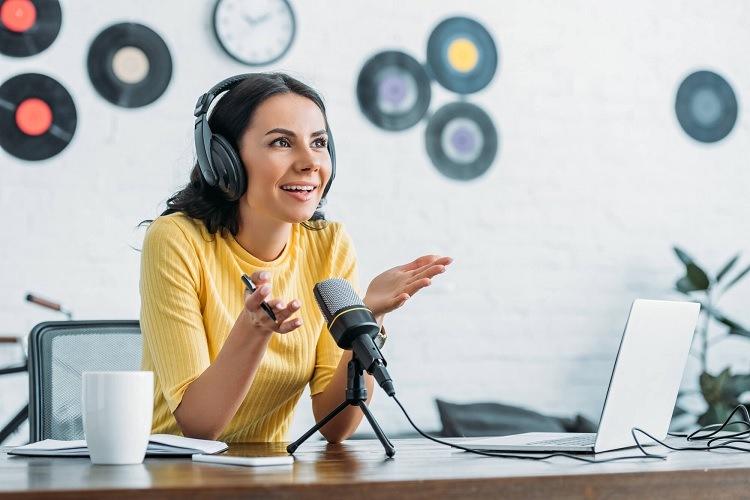
    Podcast Trends in 2026: What Creators and Marketers Need to Know

    The world of podcasting continues to evolve at a rapid pace, transforming from a niche audio medium into a mainstream powerhouse of content, community, and commerce. In 2026, podcast trends reflect broader shifts in technology, listener behavior, discovery patterns, and monetization strategies. Whether you’re a seasoned creator, a brand looking to expand your reach, or a marketer seeking new audience channels, understanding these developments can help you stay ahead of the curve.

    In this comprehensive guide, we’ll explore the most important podcast trends shaping the industry today, supported by the latest statistics, platform developments, and audience insights.


    The Podcast Industry Is Bigger Than Ever

    Podcasting’s growth trajectory shows little sign of slowing down. According to recent industry research, global podcast listeners are projected to reach 619.2 million in 2026, marking a substantial year‑over‑year increase in audience size and engagement.

    The global podcast market is also entering a major monetization phase, with total industry value expected to approach or exceed $49 billion in 2026. This growth is fueled by both advertising revenue and enhanced content strategies from creators and platforms.

    At the same time, platforms like Spotify, YouTube, and Apple Podcasts continue to dominate as distribution channels, hosting millions of shows and drawing listeners across diverse demographics.


    Format Evolution: Audio Isn’t Enough Anymore

    One of the most significant podcast trends in 2026 is the shift from pure audio to video‑first content. Video podcasts are no longer an optional addition; they are becoming essential, as creators leverage visual storytelling to boost engagement, discoverability, and monetization.

    Video podcast consumption has risen sharply, growing by 28% year‑over‑year. This trend reflects listener preferences for content that can be experienced both audibly and visually, especially on interactive platforms like YouTube, where clips and full episodes alike perform well in search and recommendation feeds.

    Short‑form clips—a format borrowed from platforms like TikTok, Instagram Reels, and YouTube Shorts—are also emerging as a key discovery engine for podcasts. These bite‑sized segments now drive a significant portion of new audience traffic, with growth in short‑form clip posts up by 77% in a single year.

    This shift toward visual and short‑form podcast content is reshaping how creators plan, produce, and promote their shows.


    Genre Popularity and Niche Opportunities

    Understanding which topics draw listeners remains a foundational part of any content strategy. While classic categories like true crime, news, and comedy continue to draw large audiences, emerging niches offer opportunities for new creators and brands looking to stand out. True crime leads the industry in listener share, commanding a significant portion of audience attention.

    But as popular genres become more crowded, niche and specialized content segments are gaining traction. These include micro‑genres and specialized verticals that focus on highly targeted topics, communities, and interests.

    Specific niches — such as focused business insights, highly specialized technology discussions, or localized cultural content — can perform exceptionally well when optimized for search, discovery, and cross‑platform promotion.


    AI Integration Is Reshaping Production and Discovery

    Artificial intelligence (AI) is among the most dynamic forces acting across the podcast landscape in 2026. From production workflows to discoverability, AI tools are helping creators produce better content with reduced effort.

    AI can assist in:

    • Automatic transcription and chapter tagging
    • Content summarization and audience recommendations
    • Voice synthesis and AI‑assisted show creation
    • Search optimization and topic suggestions

    These technologies make it easier to publish more episodes, iterate faster, and reach targeted listener segments with personalized recommendations. AI integration is quickly becoming a competitive advantage in the crowded podcast marketplace.

    At the same time, this surge in AI usage has sparked debates around authenticity and quality, particularly when synthetic content resembles human‑produced shows without clear disclosure.

    While AI can enhance productivity, creators must balance automation with genuine human voice and storytelling to maintain listener trust and engagement.


    Discoverability: The New Battleground

    One of the biggest challenges for creators in 2026 is podcast discoverability. With millions of shows now available across platforms, simply publishing an episode isn’t enough. Creators must think strategically about how listeners find them.

    According to industry experts, discoverability remains a defining concern for most podcast creators, with SEO optimization, metadata, transcripts, and cross‑promotion cited as vital tactics.

    Search plays a growing role in how listeners find audio content, making keyword‑rich titles, episode descriptions, and website integration essential parts of any growth strategy. Optimizing for platforms like Spotify, Apple Podcasts, and even general search engines can significantly improve reach over time.

    Creators are also using cross‑platform promotions (such as showing clips on social media) to generate interest and then funnel listeners to full episodes.


    Monetization Beyond Traditional Ads

    Advertising remains a key revenue driver in podcasting, but 2026 is seeing a broader array of monetization models emerge. Traditional sponsorships and host‑read ads continue to command premium rates, especially for shows with highly engaged listenership.

    At the same time, creators are exploring alternative models, including:

    • Subscription‑based premium feeds
    • Donations and fan support via platforms like Patreon
    • Merchandising and product tie‑ins
    • Exclusive content for paid listeners
    • Live shows and event tie‑ins

    These strategies help diversify revenue streams beyond reliance on advertising alone.


    Global Market Trends and Expansion

    Podcasting isn’t just growing in North America and Europe; significant expansion is happening across Asia, Latin America, Africa, and other emerging markets.

    Mobile listening remains dominant, with the vast majority of consumption occurring on smartphones. This mobile‑centric behavior reflects broader trends in global media consumption, where accessibility and convenience drive engagement.

    Expanding into local languages and culturally relevant formats presents creators with a unique chance to tap emerging audiences and rank higher in regional search results.


    Challenges and Competitive Dynamics

    Despite the immense opportunities, podcasting in 2026 faces several challenges:

    Market Saturation

    With more than 4.5 million podcasts available worldwide, the market is highly competitive. Standing out requires a combination of consistent quality, effective SEO, and audience engagement strategies.

    Audience Fragmentation

    Listeners are spread across many platforms and formats, from traditional audio to video, niche apps, and social media clips. This fragmentation demands a multi‑channel distribution approach.

    Platform Dominance

    Powerful platforms like Spotify, YouTube, and Apple Podcasts control much of podcast distribution and monetization. While they offer vast reach, creators may not fully control their audiences or monetization models when tied too closely to a single platform.

    Ethical Considerations

    As podcasts scale in influence, ethical concerns around content, sponsored episodes, paid interviews, and transparency are coming under closer scrutiny in various markets, including India and beyond.


    Final Thoughts: What Podcast Creators Should Prioritize

    As we navigate the landscape of 2026, several core principles stand out for creators and brands looking to thrive:

    Focus on quality and consistency: Regular publishing and sound production remain foundational to audience growth.

    Embrace video and short‑form content: Video podcasts and clips are now key vehicles for discovery and audience retention.

    Optimize for search and platforms: SEO, metadata, and cross‑platform visibility matter more than ever for discoverability.

    Experiment with monetization: Diversify revenue streams to move beyond traditional advertising.

    Understand your audience: Use listener data and analytics to tailor content that resonates.

    Blend technology with human craft: Leverage AI tools where helpful, but maintain authentic storytelling.

    Podcasting in 2026 is a vibrant, competitive, and opportunity‑rich medium. Understanding these trends will help you craft a strategy that not only reaches listeners but also builds long‑lasting, meaningful connections that drive engagement and growth.

  • Complete Hearing Health Tips: Protect and Preserve Your Hearing for Life

    Complete Hearing Health Tips: Protect and Preserve Your Hearing for Life

    Hearing is one of the most vital senses, connecting you to people, sounds, and the world around you. Whether you are aware of it or not, hearing plays a major role in communication, safety, emotional well‑being, and quality of life. Yet many people overlook hearing health until they notice symptoms like difficulty hearing conversations, ringing in the ears (tinnitus), or muffled sounds.

    This blog provides complete and practical hearing health tips grounded in evidence and established health guidance. If you want to maintain good hearing, reduce your risk of hearing loss, and live a fuller life with clearer sound, read on.


    Understanding Hearing and Hearing Loss

    Before diving into actionable hearing health tips, it helps to understand how hearing works and what causes hearing loss.

    • Hearing anatomy involves structures like the outer ear (pinna), ear canal, eardrum, ossicles (tiny bones), and the cochlea in the inner ear. These parts transmit and convert sound vibrations into electrical signals that the brain interprets. Damage to any part of this chain can impair hearing.
    • Hearing loss may be gradual or sudden. Common causes include aging (presbycusis), prolonged exposure to loud noise, infections, trauma, buildup of earwax, and some medications.
    • Types of hearing loss include sensorineural hearing loss (inner ear or nerve damage) and conductive hearing loss (blockage or middle ear issues). Some forms are treatable; others are permanent without medical intervention.

    Understanding these basics helps you appreciate why protecting your hearing matters and how lifestyle habits influence your auditory health.


    1. Protect Your Ears From Loud Noise

    One of the most important hearing health tips is protecting your ears from excessive noise. Noise‑induced hearing loss is preventable but permanent once it occurs.

    • Sounds above about 85 decibels (dB) can begin to damage hearing if exposure is prolonged. Examples include heavy traffic, motorcycles, concerts, fireworks, and loud machinery.
    • This includes everyday hazards like loud headphones or earbuds. Following the 60/60 rule — listening at no more than 60% volume for no more than 60 minutes — can significantly reduce risk.
    • If you cannot avoid a loud environment, use protective gear like earplugs, earmuffs, or noise‑canceling headphones. For high‑risk jobs or leisure activities (concerts, construction work), consider custom protective devices from a qualified hearing care professional.

    2. Give Your Ears a Rest

    Even moderate noise can have cumulative effects if your ears don’t get time to recover.

    • Take quiet breaks throughout the day, especially if you spend time in noisy places. Resting in a quiet area for a few minutes helps your ear cells recover.
    • For headphone use, periodically detach and let your ears be in silence for at least a few minutes between listening sessions.

    3. Practice Safe Listening Habits

    Listening carefully and safely is an important part of protecting hearing.

    • At concerts or events, move away from speakers if you’re not wearing hearing protection.
    • If you find yourself needing to raise your volume or shout to communicate in noisy places, the environment is likely too loud — and your hearing may already be at risk.
    • Choose audio devices and appliances with lower noise output and use built‑in sound‑limit features where available.

    4. Care for Your Ears Safely

    Ear hygiene is an often misunderstood part of hearing health. Many harmful practices can damage the ear — especially the inner structures.

    • The ear is self‑cleaning. According to the World Health Organization (WHO), you should only clean the outer ear with a soft cloth. Avoid inserting cotton buds, q‑tips, pins, or other objects into the ear canal as they can push wax deeper and injure the eardrum.
    • Earwax (cerumen) serves an important protective function. It traps dust and foreign particles and helps guard the ear from infections. Removal should only be done when buildup causes symptoms and under professional guidance.
    • If water gets trapped after swimming or showering, tilt your head and let it drain naturally. Persistent water in the ear can increase infection risk.

    5. Monitor Medication and Ear Risk Factors

    Some medications, medical treatments, or health habits can affect your hearing.

    • Certain antibiotics, chemotherapy drugs, and high doses of common medicines like aspirin may contribute to hearing damage. Always consult your doctor about potential hearing risks with your prescriptions.
    • Smoking and second‑hand smoke have been linked to increased hearing loss risk. Quit smoking and avoid smoke exposure to help protect your auditory system.

    6. Maintain a Healthy Lifestyle

    General health influences hearing health more than many people realize.

    • A balanced diet rich in omega‑3 fatty acids, antioxidants, and vitamins supports blood circulation and cell function, which benefits the delicate structures of the ear.
    • Regular exercise improves overall circulation, including to the ear, and helps maintain general health that supports hearing function.
    • Manage chronic conditions like diabetes and high blood pressure — both can impact blood flow and hearing. Healthy living habits contribute to long‑term auditory health.

    7. Schedule Regular Hearing Assessments

    Just like dental or vision checkups, regular hearing tests are important — especially as you age or if you have frequent exposure to noise.

    • Early detection of hearing changes allows intervention before significant damage occurs.
    • If you notice symptoms like persistent ringing (tinnitus), difficulty following conversations, or holding the volume very high on devices, schedule a hearing evaluation with an audiologist.
    • People who work in noisy environments, have a family history of hearing loss, or are over 50 should consider baseline screenings even without symptoms.

    8. Act Promptly if You Notice Problems

    Sudden hearing loss, pain, ringing, dizziness, or discharge are warning signs that require timely attention.

    • Do not ignore symptoms like persistent tinnitus or sudden changes in hearing — they may indicate an underlying medical issue that needs prompt care.
    • Professionals like audiologists or ENT (ear, nose, throat) specialists can diagnose and treat many conditions that affect hearing. Early intervention often results in better recovery and outcomes.

    Wrapping Up: Hearing Is Worth Protecting

    Good hearing health doesn’t happen by accident. It is the result of consistent habits, awareness, and proactive care. Following these hearing health tips will help you maintain your hearing clarity as you age, enjoy the sounds you love, and reduce your long‑term risk of permanent hearing loss.

    While not all auditory problems are entirely preventable, many common causes — especially noise‑related damage — are avoidable with the right practices. By recognizing risks, protecting your ears, and seeking help when needed, you are investing in one of your most valuable senses.

    Protecting your hearing is not just about avoiding silence; it’s about preserving connection, communication, and quality of life for years to come.

  • Creative Learning Tools: Transforming How Students and Educators Engage, Innovate, and Succeed

    Creative Learning Tools: Transforming How Students and Educators Engage, Innovate, and Succeed

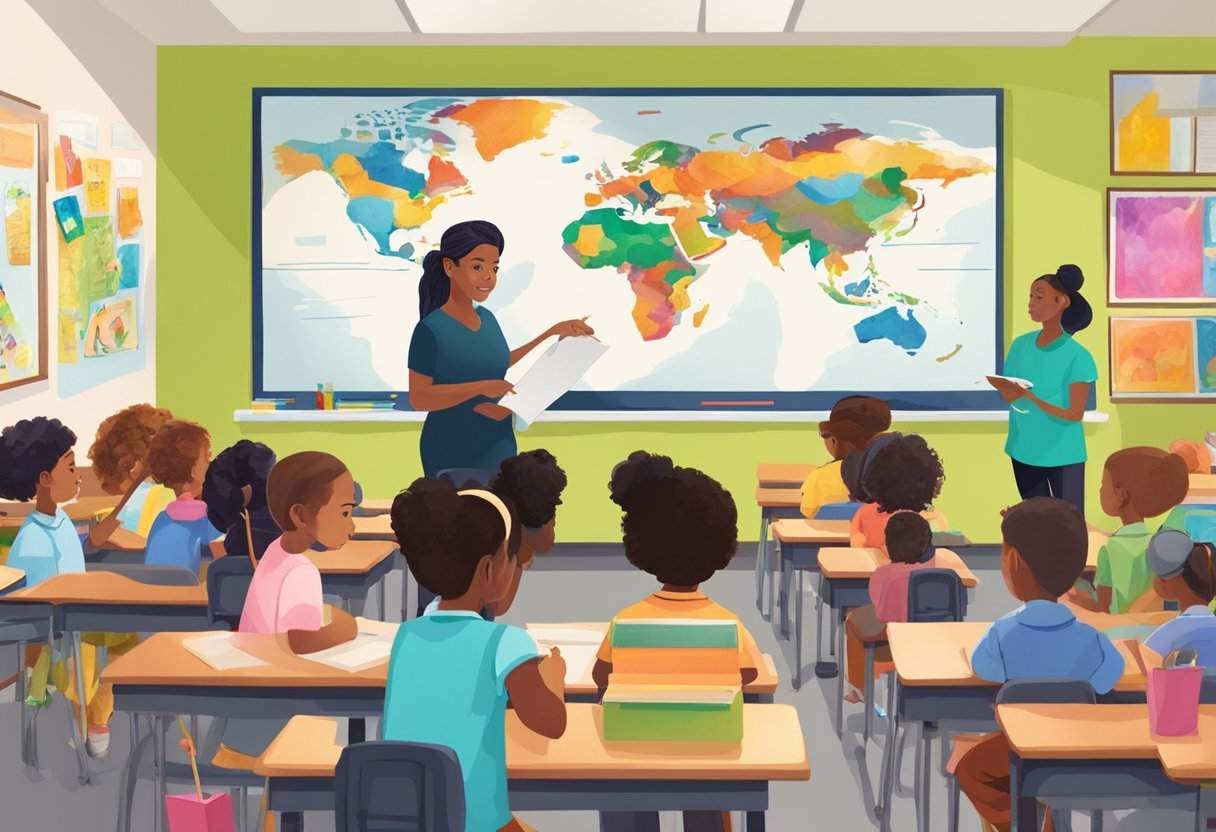
    In the rapidly evolving landscape of education and lifelong learning, creative learning tools are no longer optional — they are essential. From immersive digital platforms and collaborative spaces to interactive games and maker technologies, creative learning tools empower students to explore, design, think critically, and apply knowledge in meaningful ways. These tools expand traditional instruction beyond rote memorization, fostering deeper engagement, personalized learning pathways, and real‑world skill development.

    In this blog, we’ll explore what creative learning tools are, why they matter, examples of top tools in the field, and how educators and learners can integrate them effectively.


    What Are Creative Learning Tools?

    Creative learning tools are digital or physical resources that promote active, exploratory, and imaginative learning. Rather than solely consuming information, learners use these tools to create, collaborate, solve problems, and demonstrate understanding through various formats — whether that’s multimedia projects, interactive games, simulations, digital storytelling, or collaborative research.

    Traditionally, creative learning was limited to art or vocational classes, but with modern educational technology, creativity now drives core curriculum subjects like mathematics, science, language, and even social studies. These tools help shift learning from passive reception to active participation.

    Key Characteristics of Creative Learning Tools

    Creative learning tools typically:

    • Encourage exploration and experimentation
    • Provide real‑time feedback and adaptive learning paths
    • Support collaboration and communication
    • Enable creation of original content
    • Appeal to multiple learning styles (visual, auditory, kinesthetic)

    Whether used in formal classrooms, blended learning environments, or remote education settings, they help cultivate higher‑order thinking skills such as analysis, synthesis, and evaluation.


    Why Creative Learning Tools Matter

    The value of creative learning tools goes far beyond novelty. Research and practical observation demonstrate that these tools can have dramatic effects on learning outcomes, student motivation, and instructional efficiency.

    Enhanced Engagement and Motivation

    When learners are actively creating rather than passively reading or listening, engagement increases significantly. Interactive tools can transform a lesson into a dynamic experience by incorporating games, visuals, adaptive challenges, and creative tasks that hold attention and spark curiosity.

    In a typical classroom that uses these tools, students are more likely to participate, take ownership of their learning, and remain attentive to content rather than disengaging or zoning out.

    Personalized and Inclusive Learning

    Modern creative learning platforms often include features that tailor content to a student’s unique pace and style. This adaptive approach supports differentiated instruction — a pedagogical strategy that meets students at their level.

    AI‑driven tools, for example, can adjust the difficulty of questions, offer personalized explanations, and track progress across activities, giving each learner a custom educational journey.

    Collaboration and Communication

    Creative learning tools often embed communication features, allowing students to work together, share ideas, give feedback, and build collective knowledge. This collaborative quality mirrors modern work environments and prepares learners for real‑world teamwork.

    Collaborative platforms facilitate peer‑to‑peer learning, reinforce social skills, and expose students to diverse perspectives — benefits especially valuable in global and hybrid learning contexts.

    Skills for the Future

    More than memorizing facts, today’s education prioritizes skills: critical thinking, problem‑solving, digital literacy, creativity, and innovation. Creative learning tools provide the space to apply these skills in practical, meaningful tasks that mirror challenges outside the classroom.


    Top Creative Learning Tools for Modern Education

    There is a vast universe of creative learning tools available today, ranging from content creation platforms to simulation engines and collaborative environments. Below are some of the most influential and widely used tools that educators and students can leverage to enrich learning experiences.


    1. Google Classroom – Digital Learning Workspace

    Google Classroom remains one of the most fundamental platforms for organizing lessons and resources, assigning tasks, communicating with students, and integrating other educational tools seamlessly. It provides a flexible digital workspace where learners can complete activities, receive feedback, and track progress.

    As a hub, Google Classroom supports a range of creative extensions and multimedia integrations, making lesson delivery more engaging and interactive.


    2. Kahoot! – Gamified Learning and Assessment

    Kahoot! transforms quizzes and review sessions into game‑based learning experiences. Teachers can create engaging challenges that motivate students through competition and immediate feedback. Features include interactive polls, flashcards, and gamified question sets that increase participation and fun.

    Gamification improves retention and makes learning feel like play, especially for subjects that students often find intimidating.


    3. Quizlet – Study Aid for Personalized Practice

    Quizlet offers study tools such as flashcards, practice tests, and interactive games that accelerate memorization and review. AI components can generate practice questions based on textbook content, offering personalized pathways to reinforce learning.

    This tool helps learners build strong foundations in vocabulary, concepts, and definitions across any subject.


    4. Padlet – Collaborative Digital Space

    Padlet is essentially a digital bulletin board where students and educators can post ideas, images, videos, links, and text in a shared workspace. This visually intuitive tool supports brainstorming activities, project planning, and class discussions.

    Padlet encourages social learning and makes collaboration easy, even in hybrid or remote settings, by giving every learner a space to contribute in real time.


    5. Canva for Education – Creative Design and Visual Projects

    Canva for Education is a powerful creative design tool tailored to learners and educators. It simplifies the creation of posters, presentations, infographics, worksheets, portfolios, and more — without requiring advanced design skills.

    Canva supports differentiated learning by letting students express understanding visually and creatively in ways that traditional essays might not allow.


    6. AI‑Driven Tools – Personalized and Adaptive Learning

    With advances in artificial intelligence (AI), platforms that integrate generative AI can now adjust content dynamically to match learner needs. AI tools create personalized exercises, deliver instant feedback, and even generate explanations, making learning both efficient and tailored.

    AI creative platforms are especially powerful for writing support, language learning, and adaptive assessments.


    7. Maker Tools and STEAM Platforms

    Creative learning isn’t just digital. Tools like 3D printers, Arduino kits, robotics platforms, and simulation environments introduce students to hands‑on building and engineering concepts. The maker movement emphasizes learning through creation, encouraging experimentation, iteration, and real‑world problem solving.

    These technologies cultivate skills in science, technology, engineering, arts, and mathematics (STEAM), connecting classroom content to tangible outcomes.


    How to Integrate Creative Learning Tools in Education

    While tools themselves are valuable, the real impact comes from how they are used. Below are best practices for integrating these tools effectively:

    Align Tools With Learning Objectives

    Choose tools that support specific instructional goals rather than adopting technology for its own sake. Each tool should serve a clear learning purpose — whether that’s reinforcing concepts, promoting collaboration, or facilitating demonstrations of understanding.

    Train Educators and Students

    Proper professional development ensures educators are proficient in using creative tools and understand how to integrate them into lesson plans. Likewise, learners need guidance on using tools responsibly and effectively.

    Encourage Student‑Led Projects

    Giving students autonomy over projects using creative tools increases ownership and motivation. For instance, digital storytelling assignments, multimedia presentations, or design challenges invite learners to explore areas of personal interest.

    Evaluate and Iterate

    Regular feedback and reflection help refine how tools are used. Analyze student outcomes, engagement metrics, and overall classroom dynamics to assess which tools produce the best results.


    Conclusion

    Creative learning tools represent a transformative shift in education and learning culture. From collaborative platforms like Google Classroom and Padlet to design tools like Canva and gamified experiences like Kahoot!, these resources redefine how knowledge is created, shared, and applied.

    By embracing creative learning tools, educators can foster deeper engagement, personalized learning, and essential skills that prepare students for an increasingly complex and digital world. Whether in a physical classroom, blended environment, or fully online setting, these tools empower learners to think creatively, solve problems, and build meaningful connections between ideas — turning education into an active, dynamic journey.

  • Media Business Models: A Comprehensive Guide for the Digital Age

    Media Business Models: A Comprehensive Guide for the Digital Age

    The landscape of media has transformed dramatically over the past two decades. Traditional media companies have been disrupted by digital platforms, changing consumer behaviors, new revenue opportunities, and evolving technologies. At the heart of this transformation are media business models—the strategic frameworks that media companies use to create, deliver, and capture value.

    This guide explores the major media business models in use today, explains how they work, and offers practical insights into their adoption, advantages, and challenges. Whether you are running a digital magazine, a broadcast network, a video streaming site, or a social platform, understanding media business models is essential to long‑term success.


    What Are Media Business Models?

    A media business model defines how a media organization generates revenue while serving its target audience. It encompasses content creation, distribution channels, pricing strategies, customer acquisition, and monetization tactics. In the digital era, media business models have diversified to include advertising, subscriptions, e‑commerce, licensing, data monetization, and hybrid models.


    The Traditional Media Business Model

    Traditional media outlets like newspapers, radio, and broadcast television primarily relied on advertising‑funded business models. Audience reach determined revenue: the more readers or viewers, the higher the advertising rates.

    Key features include:

    • Large audience reach
    • Print subscriptions and newsstand sales (for newspapers and magazines)
    • Advertising inventory sold to brands
    • Limited interactivity between consumers and media producers

    For decades, this model worked effectively. However, digital competition and fragmentation of attention have severely eroded traditional ad revenue.


    Advertising‑Funded Model in Digital Media

    Although the traditional advertising model faces challenges, it remains a cornerstone of digital media business models.

    How It Works

    Companies provide free or low‑cost content to attract a large audience. Revenue is generated by selling advertising space, display ads, sponsored content, and programmatic ad placements.

    Examples

    • Google – Through its ad network YouTube, Google earns substantial revenue by monetizing content creators’ videos via advertising.
    • Meta Platforms – Social platforms like Facebook and Instagram rely heavily on targeted advertising using rich user data.

    Advantages

    • Broad accessibility for users
    • No direct cost to consumers
    • Large potential audience

    Challenges

    • Ad blockers and privacy regulations reduce effectiveness
    • Revenue depends on traffic volume
    • Competition from walled‑garden platforms

    Subscription‑Based Business Model

    The subscription model has gained massive traction in digital media. Instead of relying solely on ads, companies charge users a recurring fee for access to premium content or services.

    Key Features

    • Monthly or annual subscription fees
    • High‑value or exclusive content
    • Lower dependence on advertising revenue

    Examples

    • Netflix – A pioneer in subscription video on demand (SVOD) that offers original series, films, and licensed content.
    • Spotify – Uses a freemium model with an ad‑supported tier and a premium subscription tier.
    • The New York Times – Has successfully transitioned to a digital subscription model, significantly increasing revenue from digital readers.

    Benefits

    • Predictable recurring revenue
    • Deep engagement with loyal users
    • Ability to focus on quality over quantity

    Limitations

    • Customer acquisition costs can be high
    • Churn (subscription cancellations) is a major concern

    Freemium and Tiered Access Models

    The freemium model combines free access with optional paid features. Users can enjoy basic services without payment, but advanced features require a subscription or one‑time purchase.

    How It Works

    • Free tier attracts large user base
    • Premium tier offers additional value (e.g., no ads, extra features)
    • Often used by software, apps, and media platforms

    Examples

    • LinkedIn – Offers free social networking capabilities, with premium accounts for enhanced features.
    • SoundCloud – Provides free listening with ads and paid plans for both listeners and creators.

    Pros

    • Low barrier to entry
    • Scales well with large audiences

    Cons

    • Conversion to paid users can be slow
    • Must balance free and paid value to avoid user dissatisfaction

    E‑Commerce and Affiliate Media Models

    Some media companies integrate e‑commerce into their content to generate revenue beyond ads or subscriptions.

    Content‑Driven Commerce

    Media platforms recommend products within editorial content and earn revenue through sales commissions. This approach is highly effective when content aligns with consumer purchase intent.

    Examples

    • BuzzFeed – Through BuzzFeed Shopping, the company includes product links within lifestyle content.
    • Pinterest – Drives product discovery and earns through affiliate and shopping integrations.

    Benefits

    • Higher revenue per user through purchases
    • Diversifies revenue streams

    Challenges

    • Requires strong alignment between content and commerce
    • Must maintain editorial integrity

    Licensing and Syndication

    Some media companies generate revenue by licensing their content to other platforms or media outlets.

    How It Works

    Content creators sell rights for others to use their work. This can include TV shows, films, articles, photos, and other digital assets.

    Examples

    • Getty Images – Licenses photos and video content to businesses, news outlets, and creatives.
    • Condé Nast – Licenses content and magazines in international markets.

    Advantages

    • Scales existing content assets
    • Generates revenue with minimal incremental cost

    Disadvantages

    • Revenue depends on demand for syndicated content
    • Competitive licensing landscape

    Data Monetization and Analytics

    With the rise of digital platforms, data has become a key asset. Media companies can generate revenue by analyzing and selling insights from user behavior, preferences, and engagement.

    Examples

    • Comscore – Provides audience analytics that help media companies and advertisers optimize performance.
    • Nielsen – Offers TV and digital measurement insights valuable to advertisers and networks.

    Benefits

    • Enables targeted advertising
    • Adds value to advertisers seeking performance metrics

    Risks

    • Privacy concerns and regulatory compliance
    • Requires sophisticated data infrastructure

    Hybrid Models: Combining Multiple Revenue Streams

    Many successful media companies use hybrid business models that blend advertising, subscriptions, commerce, licensing, and data monetization.

    Why Hybrid Models Work

    Hybrid models diversify revenue, reduce risk, and allow companies to tailor offerings to different audience segments. By not relying on a single revenue source, they are more resilient in fluctuating markets.

    Real‑World Examples

    • The Guardian – Combines reader contributions, memberships, and advertising.
    • Disney – Uses streaming subscriptions (Disney+), box office revenue, merchandise, and theme parks.

    Choosing the Right Media Business Model

    Selecting the optimal business model depends on multiple factors:

    1. Audience Behavior: Understand how your audience consumes content—free vs paid, short‑form vs long‑form.
    2. Content Type: Premium video content may thrive with subscriptions, while news blogs may rely on ads or memberships.
    3. Market Competition: Identify gaps where your content can stand out and monetize effectively.
    4. Technology Stack: Invest in platforms that support subscriptions, analytics, and personalization.
    5. Regulatory Environment: Stay compliant with privacy laws like GDPR and CCPA when monetizing user data.

    Future Trends in Media Business Models

    As technology evolves, so will media business models. Some trends to watch include:

    • Web3 and Blockchain Monetization: Decentralized platforms could enable creators to monetize directly via tokens or NFTs.
    • AI‑Driven Personalization: Media platforms will increasingly use AI to tailor content and ads, increasing monetization potential.
    • User‑Generated Monetization: Platforms may share revenue more directly with creators, as seen with creator funds and tipping features.

    Conclusion

    Understanding media business models is crucial for content creators, publishers, and digital entrepreneurs. Whether you focus on advertising, subscriptions, commerce, data analytics, or a hybrid approach, choosing the right model can define your success in a competitive digital ecosystem.

    Media business models aren’t one‑size‑fits‑all. They evolve with audience expectations, technology, and economic landscape. By staying informed, experimenting strategically, and aligning your monetization strategy with your audience’s needs, you can build a sustainable and profitable media enterprise.