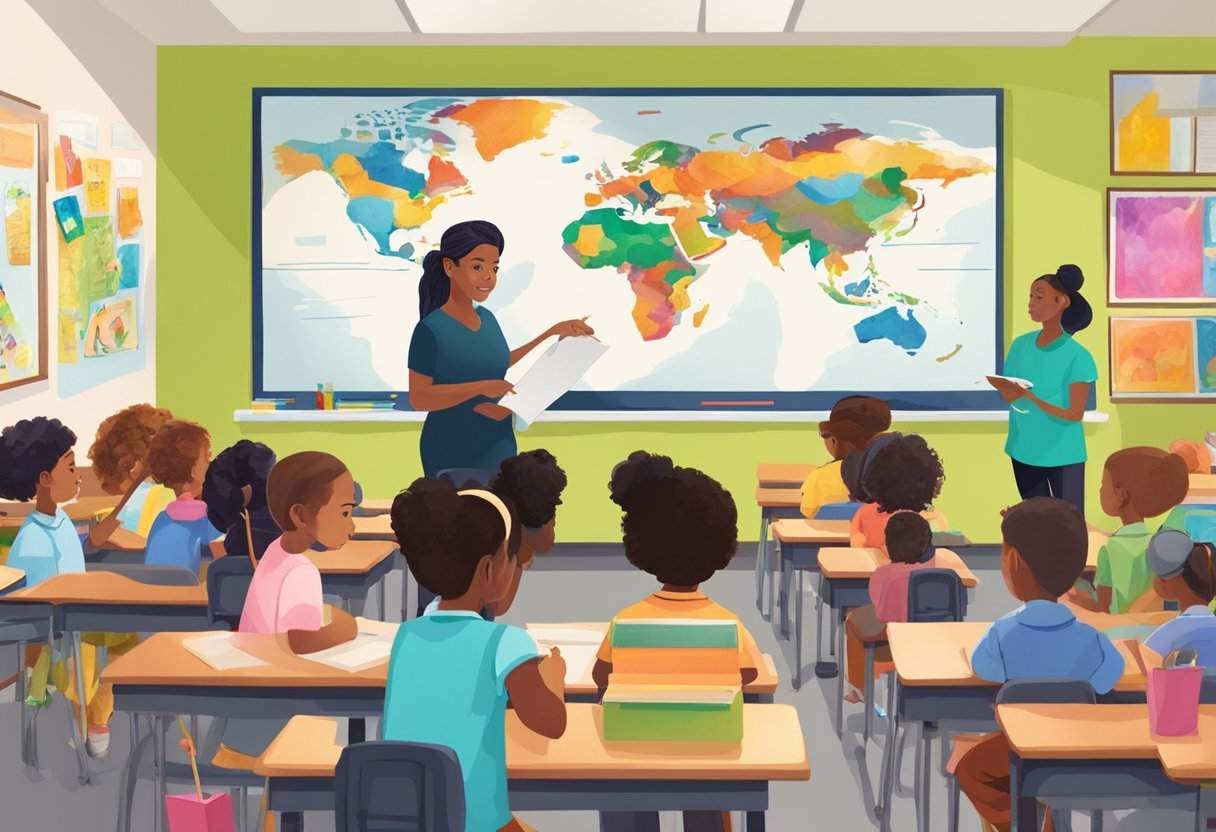
In the rapidly evolving landscape of education and lifelong learning, creative learning tools are no longer optional — they are essential. From immersive digital platforms and collaborative spaces to interactive games and maker technologies, creative learning tools empower students to explore, design, think critically, and apply knowledge in meaningful ways. These tools expand traditional instruction beyond rote memorization, fostering deeper engagement, personalized learning pathways, and real‑world skill development.
In this blog, we’ll explore what creative learning tools are, why they matter, examples of top tools in the field, and how educators and learners can integrate them effectively.
What Are Creative Learning Tools?
Creative learning tools are digital or physical resources that promote active, exploratory, and imaginative learning. Rather than solely consuming information, learners use these tools to create, collaborate, solve problems, and demonstrate understanding through various formats — whether that’s multimedia projects, interactive games, simulations, digital storytelling, or collaborative research.
Traditionally, creative learning was limited to art or vocational classes, but with modern educational technology, creativity now drives core curriculum subjects like mathematics, science, language, and even social studies. These tools help shift learning from passive reception to active participation.
Key Characteristics of Creative Learning Tools
Creative learning tools typically:
- Encourage exploration and experimentation
- Provide real‑time feedback and adaptive learning paths
- Support collaboration and communication
- Enable creation of original content
- Appeal to multiple learning styles (visual, auditory, kinesthetic)
Whether used in formal classrooms, blended learning environments, or remote education settings, they help cultivate higher‑order thinking skills such as analysis, synthesis, and evaluation.
Why Creative Learning Tools Matter
The value of creative learning tools goes far beyond novelty. Research and practical observation demonstrate that these tools can have dramatic effects on learning outcomes, student motivation, and instructional efficiency.
Enhanced Engagement and Motivation
When learners are actively creating rather than passively reading or listening, engagement increases significantly. Interactive tools can transform a lesson into a dynamic experience by incorporating games, visuals, adaptive challenges, and creative tasks that hold attention and spark curiosity.
In a typical classroom that uses these tools, students are more likely to participate, take ownership of their learning, and remain attentive to content rather than disengaging or zoning out.
Personalized and Inclusive Learning
Modern creative learning platforms often include features that tailor content to a student’s unique pace and style. This adaptive approach supports differentiated instruction — a pedagogical strategy that meets students at their level.
AI‑driven tools, for example, can adjust the difficulty of questions, offer personalized explanations, and track progress across activities, giving each learner a custom educational journey.
Collaboration and Communication
Creative learning tools often embed communication features, allowing students to work together, share ideas, give feedback, and build collective knowledge. This collaborative quality mirrors modern work environments and prepares learners for real‑world teamwork.
Collaborative platforms facilitate peer‑to‑peer learning, reinforce social skills, and expose students to diverse perspectives — benefits especially valuable in global and hybrid learning contexts.
Skills for the Future
More than memorizing facts, today’s education prioritizes skills: critical thinking, problem‑solving, digital literacy, creativity, and innovation. Creative learning tools provide the space to apply these skills in practical, meaningful tasks that mirror challenges outside the classroom.
Top Creative Learning Tools for Modern Education
There is a vast universe of creative learning tools available today, ranging from content creation platforms to simulation engines and collaborative environments. Below are some of the most influential and widely used tools that educators and students can leverage to enrich learning experiences.
1. Google Classroom – Digital Learning Workspace
Google Classroom remains one of the most fundamental platforms for organizing lessons and resources, assigning tasks, communicating with students, and integrating other educational tools seamlessly. It provides a flexible digital workspace where learners can complete activities, receive feedback, and track progress.
As a hub, Google Classroom supports a range of creative extensions and multimedia integrations, making lesson delivery more engaging and interactive.
2. Kahoot! – Gamified Learning and Assessment
Kahoot! transforms quizzes and review sessions into game‑based learning experiences. Teachers can create engaging challenges that motivate students through competition and immediate feedback. Features include interactive polls, flashcards, and gamified question sets that increase participation and fun.
Gamification improves retention and makes learning feel like play, especially for subjects that students often find intimidating.
3. Quizlet – Study Aid for Personalized Practice
Quizlet offers study tools such as flashcards, practice tests, and interactive games that accelerate memorization and review. AI components can generate practice questions based on textbook content, offering personalized pathways to reinforce learning.
This tool helps learners build strong foundations in vocabulary, concepts, and definitions across any subject.
4. Padlet – Collaborative Digital Space
Padlet is essentially a digital bulletin board where students and educators can post ideas, images, videos, links, and text in a shared workspace. This visually intuitive tool supports brainstorming activities, project planning, and class discussions.
Padlet encourages social learning and makes collaboration easy, even in hybrid or remote settings, by giving every learner a space to contribute in real time.
5. Canva for Education – Creative Design and Visual Projects
Canva for Education is a powerful creative design tool tailored to learners and educators. It simplifies the creation of posters, presentations, infographics, worksheets, portfolios, and more — without requiring advanced design skills.
Canva supports differentiated learning by letting students express understanding visually and creatively in ways that traditional essays might not allow.
6. AI‑Driven Tools – Personalized and Adaptive Learning
With advances in artificial intelligence (AI), platforms that integrate generative AI can now adjust content dynamically to match learner needs. AI tools create personalized exercises, deliver instant feedback, and even generate explanations, making learning both efficient and tailored.
AI creative platforms are especially powerful for writing support, language learning, and adaptive assessments.
7. Maker Tools and STEAM Platforms
Creative learning isn’t just digital. Tools like 3D printers, Arduino kits, robotics platforms, and simulation environments introduce students to hands‑on building and engineering concepts. The maker movement emphasizes learning through creation, encouraging experimentation, iteration, and real‑world problem solving.
These technologies cultivate skills in science, technology, engineering, arts, and mathematics (STEAM), connecting classroom content to tangible outcomes.
How to Integrate Creative Learning Tools in Education
While tools themselves are valuable, the real impact comes from how they are used. Below are best practices for integrating these tools effectively:
Align Tools With Learning Objectives
Choose tools that support specific instructional goals rather than adopting technology for its own sake. Each tool should serve a clear learning purpose — whether that’s reinforcing concepts, promoting collaboration, or facilitating demonstrations of understanding.
Train Educators and Students
Proper professional development ensures educators are proficient in using creative tools and understand how to integrate them into lesson plans. Likewise, learners need guidance on using tools responsibly and effectively.
Encourage Student‑Led Projects
Giving students autonomy over projects using creative tools increases ownership and motivation. For instance, digital storytelling assignments, multimedia presentations, or design challenges invite learners to explore areas of personal interest.
Evaluate and Iterate
Regular feedback and reflection help refine how tools are used. Analyze student outcomes, engagement metrics, and overall classroom dynamics to assess which tools produce the best results.
Conclusion
Creative learning tools represent a transformative shift in education and learning culture. From collaborative platforms like Google Classroom and Padlet to design tools like Canva and gamified experiences like Kahoot!, these resources redefine how knowledge is created, shared, and applied.
By embracing creative learning tools, educators can foster deeper engagement, personalized learning, and essential skills that prepare students for an increasingly complex and digital world. Whether in a physical classroom, blended environment, or fully online setting, these tools empower learners to think creatively, solve problems, and build meaningful connections between ideas — turning education into an active, dynamic journey.
Leave a Reply